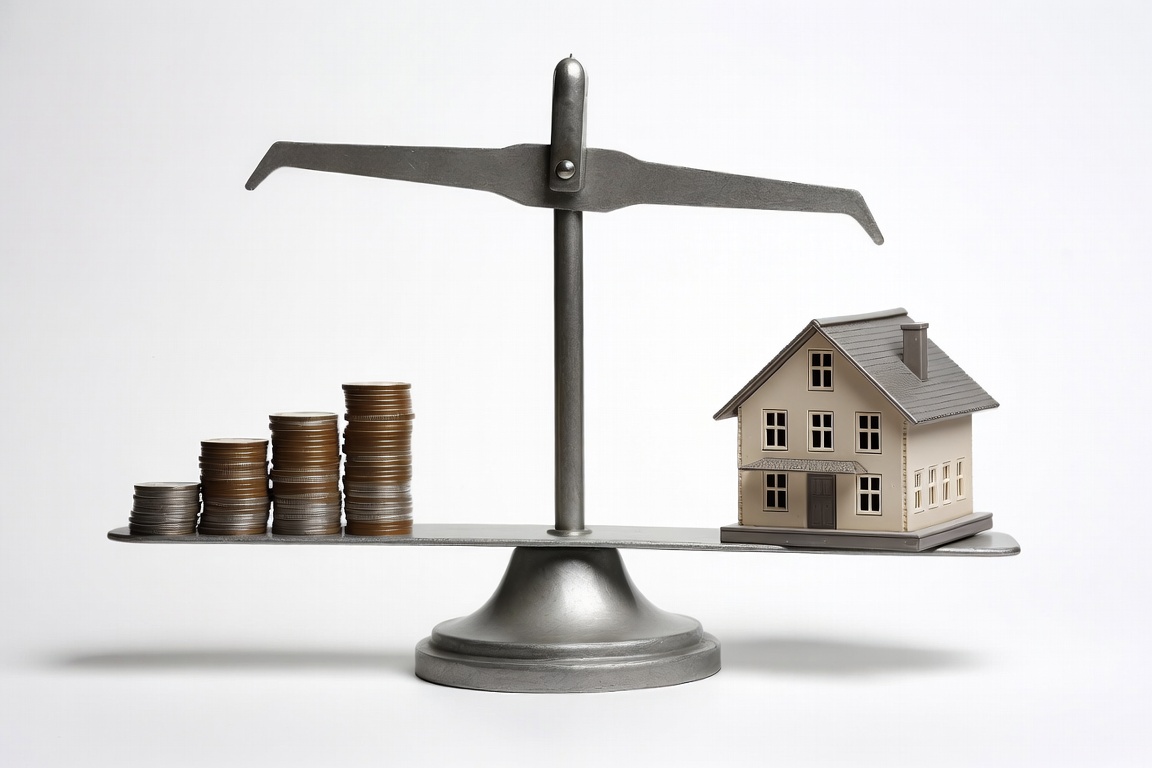
Financial stability is not about wealth. It is about predictability, resilience, and the confidence that comes from knowing your numbers.
What Financial Stability Actually Means
Most people define financial stability by what they do not have — no debt, no overdrafts, no worry. But that framing misses something important. Financial stability is better defined by what you do have: a budget that covers your needs, a small cushion for surprises, and a clear picture of where your money is going each month.
By that definition, financial stability is achievable at almost any income level. It is not a destination reserved for people who earn a certain amount. It is a state of organization and awareness that can be built deliberately over time, regardless of your starting point.
The Three Core Components
Financial stability rests on three practical pillars. The first is covering your essentials consistently — housing, food, utilities, and transportation. The second is having a small emergency fund that can absorb an unexpected expense without throwing off everything else. The third is knowing where your money goes, which means having some form of tracking or budgeting in place, even if it is simple.
Most people who feel financially unstable are missing one of these three. They may cover their basics but have no buffer. Or they have savings but no idea where their money goes month to month. Identifying which pillar is weakest in your own situation is a useful starting point.
Building Your First Real Budget
A working budget does not need to be complex. At its simplest, it is a list of what comes in and what goes out, organized by category. Start by listing your monthly income. Then list every expense — fixed ones like rent and car payments, and variable ones like groceries, gas, and entertainment.
Once you can see both columns clearly, you will know one of three things: you have more coming in than going out, the numbers are roughly equal, or you are spending more than you earn. Each of these situations requires a different response, but all three are easier to address when you have the numbers in front of you rather than feeling them as vague anxiety.
The Emergency Fund: Start Smaller Than You Think
Conventional financial advice often says you need three to six months of expenses saved before you are truly stable. While that is an excellent long-term goal, it can feel so far away that people do not start at all. A more practical approach is to target $500 or $1,000 first.
That smaller amount is enough to cover most minor emergencies — a car repair, an unexpected medical bill, a broken appliance. It will not cover everything, but it will prevent small setbacks from becoming financial crises. Once you have that first $500 or $1,000 in place, you can work toward a larger cushion from a position of modest but real security.
Stability Is a Practice, Not a Achievement
One of the most useful mental shifts around financial stability is understanding that it is something you maintain, not something you achieve once and keep forever. Life changes, expenses change, income changes. Stability means having the habits and awareness to adjust when things shift.
This is why regular money check-ins matter. Whether weekly, biweekly, or monthly, spending 15 minutes reviewing where things stand keeps you oriented. It turns financial management from a stressful annual event into a routine part of life — and routines, by definition, get easier the more you do them.
The goal is not perfection. The goal is a working system that you understand, that you manage proactively, and that recovers quickly when life disrupts it. That is financial stability in its most practical and achievable form.
Disclosure: This site may receive compensation when you click on links or complete offers through our partners. Content is for informational purposes only and does not constitute financial advice.